
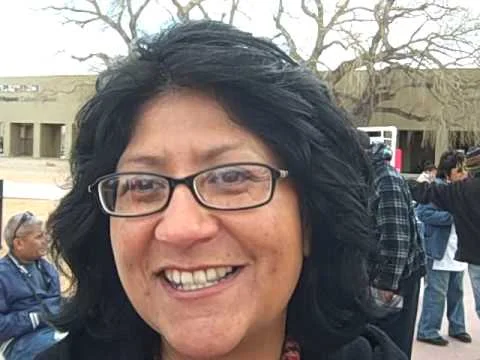
When people search for Elizabeth Chavez Villarino, they are almost always trying to understand one thing: who she is in relation to Cesar Chavez, one of the most important labor and civil rights figures in American history.
This article answers that question clearly. It covers her confirmed identity as one of Cesar’s daughters, where she fits within the Chavez family, and what is publicly known about her involvement in legacy work. It also explains why there is limited information about her — and why that is completely normal and worth addressing honestly.
Who Is Elizabeth Chavez Villarino?
Elizabeth Chavez Villarino is one of the daughters of Cesar Chavez and his wife, Helen Fabela Chavez. Her name appears in several credible sources, including genealogy databases like MyHeritage and Geni, the IMDb trivia section on Cesar Chavez, and a photo caption from a UC San Diego Farmworker Movement archive that places her at Cesar’s funeral procession.
She maintains a relatively low public profile. Unlike some of her siblings, she has not become a widely recognized public figure, and specific personal details — such as her date of birth or career history — are not available in reliable public sources.
That limited documentation does not mean she is an unclear or unconfirmed person. It reflects a private life, chosen by someone who has a very public family name. The sources that do mention her are consistent and credible.
Cesar Chavez’s Children and the Chavez Family Tree
To understand Elizabeth’s place in the family, it helps to look at the full picture. Cesar and Helen Chavez had eight children together. According to IMDb, genealogy records, educational documents from Rocklin USD, and other consistent sources, the full list is:
- Fernando Chavez
- Eloise Chavez Carrillo
- Anna Chavez Ybarra
- Sylvia Chavez Delgado
- Elizabeth Chavez Villarino
- Anthony Chavez
- Linda Chávez Rodríguez
- Paul Chavez
This same list appears across multiple independent sources, from genealogy platforms to student research materials, which confirms its accuracy. Elizabeth is consistently named as one of Cesar’s daughters across all of them.
Many of these siblings, along with later generations, have stayed connected to the farmworker movement in various ways. Some have taken on visible public roles within organizations like the United Farm Workers (UFW) or the Cesar Chavez Foundation. Others, like Elizabeth, have contributed more quietly.
Genealogy platforms like MyHeritage and Geni play an interesting role here. They help researchers, students, and curious readers trace family relationships and connect names to historical figures. Elizabeth’s name surfaces frequently in those searches because she is part of a very well-documented family tree.
Who Cesar Chavez Was and Why His Legacy Still Matters
For readers less familiar with the Chavez name, some background is important. It gives weight to everything connected to Elizabeth and her family’s ongoing work.
Cesar Estrada Chavez was born on March 31, 1927, and passed away in 1993. He was an American labor leader and civil rights activist who dedicated most of his adult life to fighting for farmworkers.
Together with Dolores Huerta, he co-founded the National Farm Workers Association (NFWA), which later became the United Farm Workers (UFW). He organized nonviolent strikes and boycotts — the Delano grape strike being the most well-known — to push for better wages, safer working conditions, and basic dignity for farmworkers.
His work became a defining symbol of Latino civil rights in the United States. It also helped fuel the broader Chicano movement, which fought against discrimination and for equal rights for Mexican Americans and other Latino communities.
After his death in 1993, his family and colleagues continued his mission through the Cesar Chavez Foundation and related organizations. The movement he started did not stop — it evolved. And his children have played a real part in keeping it alive.
Elizabeth’s Known Involvement in Farmworker Legacy Work
While Elizabeth keeps a lower public profile than some of her siblings, there is real, documented evidence of her involvement in legacy work tied to her father’s values.
An Instagram post from a Si Se Puede Award event at a Cesar Chavez breakfast identifies her directly. The post’s author writes about standing next to “Liz Villarino, daughter of Cesar Chavez,” and credits her with helping bring the vision of FIELD — the Farmworker Institute of Education and Leadership Development — to life.
A separate Instagram profile description also refers to Elizabeth Chavez Villarino as a dedicated activist and advocate who carries on her father’s legacy, noting her leadership role connected to FIELD.
FIELD is worth explaining briefly. It focuses on education, workforce training, and leadership development for farmworkers and underserved communities. In many ways, it represents a modern evolution of what Cesar Chavez started. Where the early UFW focused on union organizing and contract negotiations, FIELD focuses on building long-term educational and economic opportunities for the same communities.
Think of it this way: the first generation fought for the right to be treated fairly. The next generation works to build the tools that help people rise. Elizabeth’s involvement with FIELD fits that pattern.
Her presence was also documented at a deeply personal public moment — Cesar’s funeral. A photo caption in the UC San Diego Farmworker Movement Online Gallery names “ELIZABETH CHAVEZ VILLARINO” among Chavez family members in the funeral procession. She was there, alongside other family members and public figures, as the world said goodbye to her father.
Why There Is Limited Public Information About Her
It is worth addressing this directly, because many readers notice it and wonder what it means.
Some of Cesar Chavez’s children have taken on very visible public roles. Others have worked behind the scenes or stepped away from the public eye entirely. That range is completely normal, even in families defined by public service.
A useful comparison: the children of other major civil rights leaders — including Martin Luther King Jr. and Robert F. Kennedy — have taken very different paths. Some became prominent activists or politicians. Others chose private lives while still honoring their family’s history. Neither choice is wrong.
Elizabeth appears to fall somewhere in between. She is not a widely recognized public figure, but she is not entirely removed from her father’s legacy either. Her name at the Si Se Puede Award event, her connection to FIELD, and her presence at key family moments all point to someone who cares about the work — just not necessarily from the spotlight.
Responsible writing about someone like Elizabeth means sticking to what is actually documented. There is no verified information about her date of birth, educational background, or personal life. This article does not invent those details, and neither should any other source claiming to profile her.
For more profiles of people connected to meaningful public legacies, visit Start Of Biz.
A Family That Carried the Work Forward
The Chavez family story did not end in 1993. Across different generations and through different organizations, the values Cesar Chavez built his life around have continued to find expression.
Elizabeth Chavez Villarino is one part of that continuing story. She is a confirmed daughter of Cesar and Helen Chavez, a presence at key family and legacy events, and someone who has been publicly credited with helping advance FIELD’s mission of education and leadership development for farmworkers.
That may not make for a long biography. But it is an honest one — and in a world where false information spreads easily, an honest profile is more valuable than a detailed one built on guesswork.
What is clear is this: Elizabeth is part of a family that changed American history, and she has chosen to carry that forward in her own way, on her own terms.
Also Read: