
A routine AC repair now costs hundreds of dollars more than it did two years ago — and labor isn’t the reason. The refrigerant itself is scarce and expensive. That’s not a fluke or a temporary pricing quirk. It’s the result of real regulatory shifts, supply chain gaps, and a market that wasn’t prepared for rapid change all at once.
This article covers why the shortage is happening, which refrigerants are most affected, how it hits your costs and operations, and what you can actually do about it right now.
Why Refrigerants Are in Short Supply Right Now
The shortage isn’t random. It has a clear structural cause: the U.S. government is phasing out the refrigerants that most AC systems have used for decades.
The American Innovation and Manufacturing (AIM) Act requires an 85% reduction in HFC (hydrofluorocarbon) production and consumption by 2036. Cuts are already underway — this isn’t a future problem. On top of that, the Technology Transition Rule, which took effect January 1, 2025, restricts equipment that uses high-GWP (global warming potential) refrigerants. That pushed the entire HVAC industry to move toward lower-GWP alternatives at the same time.
Add in import limitations, supply chain disruptions, and legal trade actions like anti-dumping cases, and you have a refrigerant market under pressure from multiple directions at once.
This is not a short-term issue. Industry analysts and trade sources expect shortages tied to the HFC phasedown to persist for several years as manufacturers, distributors, and contractors all try to adapt to a rapidly changing market.
The R-454B Problem Is a Clear Example of What Happens When Demand Outpaces Supply
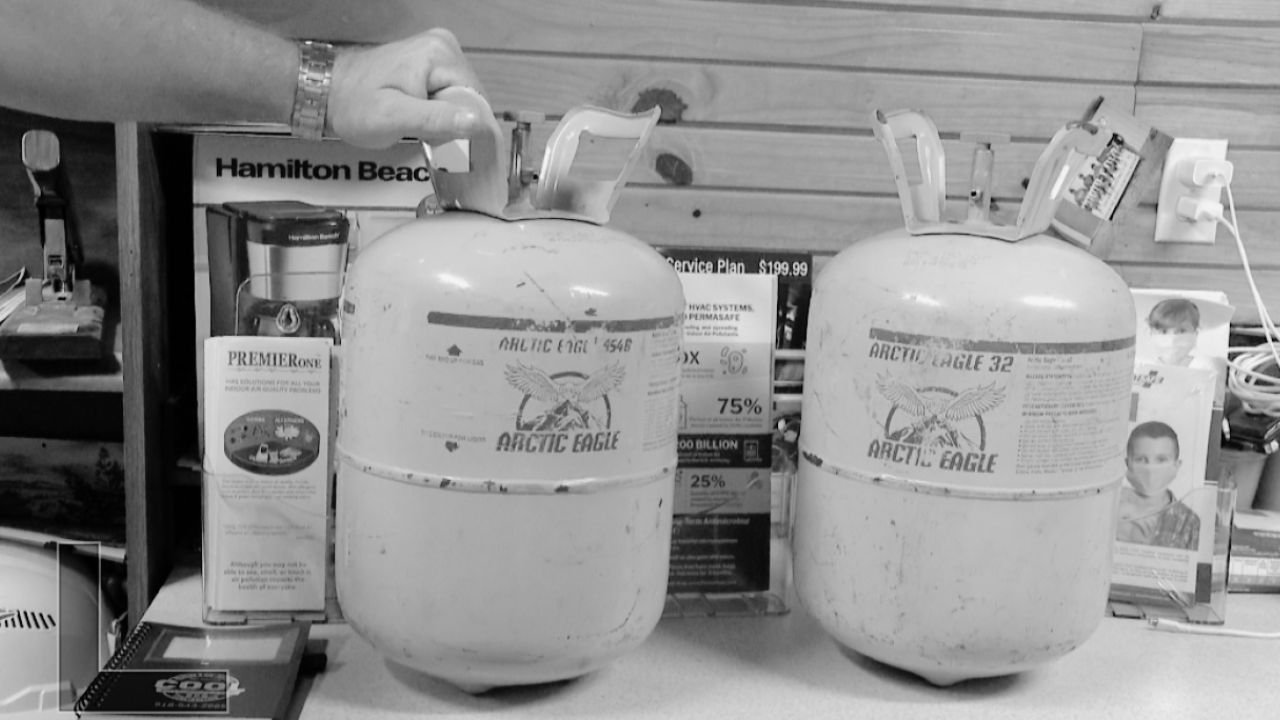
R-454B is a lower-GWP refrigerant (GWP of approximately 466) that many major AC manufacturers chose as their replacement for R-410A in new residential and commercial equipment. It performs similarly to R-410A, which made it an attractive choice for manufacturers who wanted a relatively smooth transition.
The problem? Multiple brands made that switch at the same time. Demand for R-454B surged much faster than production capacity could handle.
In April 2025, Honeywell — one of the primary producers — publicly stated it could not keep up with “unprecedented demand” for R-454B and had to import supply to meet orders. That drove prices up more than 40%. A cylinder that previously cost $650–$700 climbed past $1,000 — higher than R-22 was even at its most scarce.
A separate problem made things worse: a shortage of A2L-rated cylinders. R-454B is classified as a mildly flammable refrigerant, which means it requires specially rated containers. When those containers became hard to source, it created a second bottleneck on top of the refrigerant itself.
It’s also worth noting that R-454B is not the only replacement for R-410A. Some manufacturers use R-32 instead. That means contractors may need to stock different refrigerants depending on which brands they service — and can’t assume one product covers everything.
How the Shortage Affects Business Costs and Operations
Higher refrigerant costs don’t stay contained to a line item on a technician’s invoice. They ripple through repair bills, maintenance contracts, and installation quotes. Both small business owners and commercial property managers are feeling this.
Older systems are hit the hardest
Systems that still run on R-22 or R-410A are in a difficult position. R-22 was phased out years ago, and R-410A is now being restricted under the AIM Act. Both refrigerants are harder to source and more expensive per cylinder than they used to be. If one of these systems needs a top-off or a repair that requires refrigerant, the cost can be significant.
Refrigerant shortages don’t make existing AC units stop working — your equipment doesn’t suddenly fail because of a market shift. But shortages do slow down repairs, raise costs, and force harder decisions about whether to repair or replace.
HVAC contractors are managing a different kind of business now
For HVAC businesses, the operational model has changed. Ordering refrigerant as-needed is no longer reliable. Contractors now need to forecast their inventory weeks or months in advance, maintain relationships with multiple distributors, and stay current on which refrigerants specific equipment brands actually require.
Margins are tighter. Lead times are longer. And customers are getting sticker shock on quotes that, a couple of years ago, would have seemed reasonable.
A practical example
Imagine a restaurant’s AC system fails at the height of summer. The technician arrives and finds the required refrigerant is in short supply locally. The owner now faces a choice: pay a high-cost repair using scarce refrigerant, or schedule an unplanned system replacement with a higher upfront cost but better long-term reliability. Neither option is cheap, and neither was in the budget.
That’s the real-world version of what a supply chain problem looks like — not in a spreadsheet, but in an uncomfortable conversation on a hot afternoon.
What Businesses and Contractors Can Do Right Now
There are real steps you can take to reduce the impact of the shortage on your operations. None of them are complicated, but most require acting before there’s a crisis.
For HVAC contractors
- Forecast your refrigerant needs in advance. Look at your install schedule and service contracts. Figure out which refrigerants you’ll need and in what quantities. Don’t wait until peak season.
- Know your brand mix. Confirm whether the equipment you’re installing uses R-454B, R-32, or something else. Stock accordingly rather than assuming one refrigerant covers all jobs.
- Stay close to your distributors. Industry commentary consistently advises maintaining strong supplier relationships so you get early notice of shortages and access when supply is tight.
- Be upfront with customers. Explain why costs are higher. Customers who understand the regulatory context are more likely to make informed decisions — and less likely to think you’re padding a quote.
- Avoid workarounds that create liability. Mixing refrigerants or using unofficial drop-in substitutes in systems not designed for them creates real performance, safety, and compliance risks. Industry guidance is clear on this.
For facility managers and property owners
- Prioritize preventive maintenance. Leak detection and regular servicing reduce refrigerant loss. That directly cuts costs during a shortage.
- Start a capital planning process for aging systems. If your equipment runs on R-22 or R-410A, plan a phased replacement over three to five years rather than waiting for a forced failure. The cost of an emergency replacement is almost always higher than a planned one.
- Factor compliance costs into your budget now. The HFC Leak Repair and Management Rule takes effect January 1, 2026. It will impose leak detection and repair requirements on commercial systems. Planning ahead avoids scrambling later.
- Ask your HVAC provider about equipment compatibility. When replacing equipment, confirm which refrigerant it uses and that your technicians are trained to handle it — especially if it’s an A2L refrigerant like R-454B, which has specific handling and storage requirements.
What the Next Few Years Look Like
Manufacturers are ramping up R-454B production and increasing the supply of A2L-rated cylinders. Industry reports suggest the worst of the initial shock may gradually ease over the next few months. But “gradually ease” is not the same as returning to pre-shortage conditions.
The HFC phasedown continues through 2036. Regulations are tightening, not loosening. The structural pressure on refrigerant supply is not going away soon — it’s built into the regulatory schedule.
Industry research from mid-2025 describes the current outlook as “moderate risk of spot shortages” for A2L refrigerants, with demand still outpacing initial supply in some areas. That’s an improvement from the acute crunch earlier in the year, but it’s not a clear signal to stop planning carefully.
For businesses that rely on HVAC — which is most of them — the smart move is to treat refrigerant availability as a real operational variable, not a background assumption. Resources like Startofbiz can help business owners stay on top of cost management and operational planning across different industries, including those affected by supply chain shifts like this one.
The Bottom Line
The refrigerant shortage is real, it has clear causes, and it’s not going away quickly. The AIM Act phasedown is driving structural change across the HVAC industry, and the rushed transition to R-454B created a demand spike that supply couldn’t match fast enough.
If you’re an HVAC contractor, the biggest risks are getting caught without inventory mid-season and losing customers to delays. If you’re a property owner or facility manager, the risks are surprise repair costs and aging equipment that runs on increasingly expensive refrigerants.
The businesses that handle this best won’t be the ones that found a clever workaround. They’ll be the ones that planned ahead, built supplier relationships, maintained their systems properly, and started the conversation about equipment upgrades before a failure forced their hand.